
Reflection · March 2019
Of all the urbanists I’ve heard speak, I can honestly and truthfully say that Gil Peñalosa was my favourite by a landslide. His passion and enthusiasm were absolutely infectious. It oozes out in the way he talks about bike lanes, in the way he drives the point home about Bogotá, and in the way he prepares himself beforehand. One hundred and thirty slides, all of which were useful in getting his message across.

“If it’s not safe for an 8-year-old or an 80-year-old, then it’s nothing.”
Aside from his passion, the thing that stuck out to me the most about Gil was his lifestyle. One week in Sweden, another in Turkey, another in Vancouver. He got to travel and do what he loved. He ran the nonprofit he founded, 8 80 Cities, and got to set his own hours. He was also a professor, a politician of sorts, and now a grandfather. He was living the life that I have always aspired to live. What seemed to be the perfect marriage of city planning, politics, change maker, traveller, and human. When I think of my success in the future, I think of the life I want to lead. I want to have a partner that I can go home to, children that I can play with, and a home that I can find comfort in. Just because I’m career focused does not mean I ever want to get lost in the sauce, forgetting who I am, where I come from, and what makes me happy.
The 8-80 idea
Actually, I was introduced to 8 80 Cities just last weekend at the City Building Expo, where Gil’s colleague Amanda O’Rourke, the Executive Director of 8 80 Cities, was on the panel discussing the importance of public health in our ever growing cities. I found the concept brilliant. Not only are 8-year-olds and 80 years olds in the requirement of more childproof infrastructure, but so are people with disabilities, people experiencing homelessness, and others who fall through the cracks of the ‘able-bodied’ default. I’m basically trying to say that the idea is absolutely genius because it appeals to more than just the 8 years old or the 80-year-old. It appeals to everything and everyone in between.
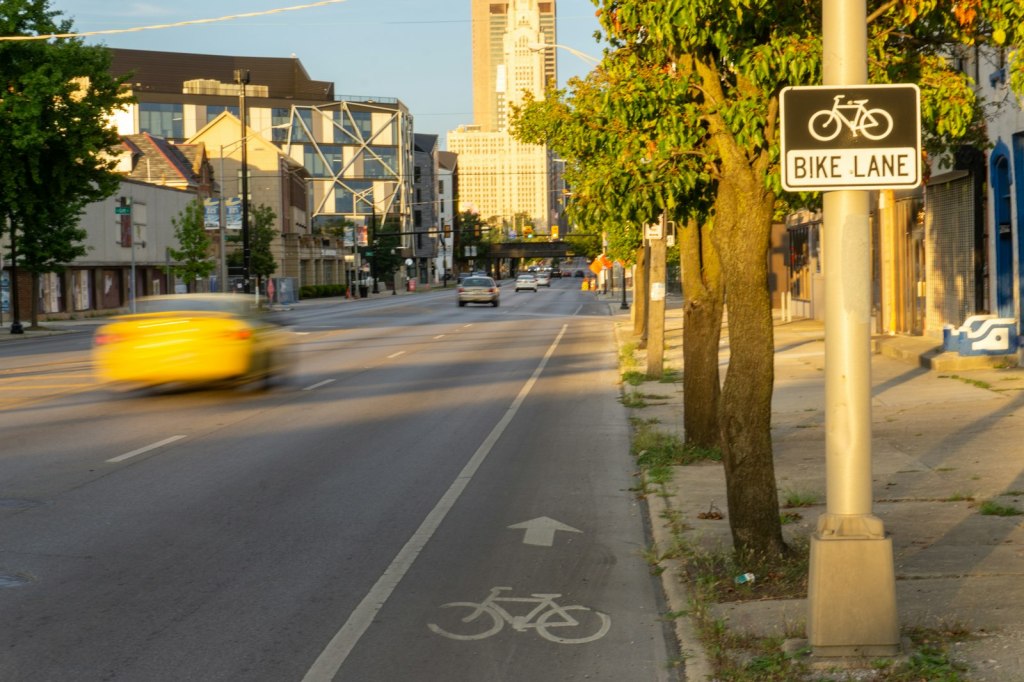
Tourists, for example, are another group that falls into that category. They are not aware of local traffic laws, pedestrian rules, and generally, take up more public space to loiter and manoeuvre directions across the city. Toronto as an up and coming tourist hub has become a key player in the game, and catering to these needs allows these unheard groups to thrive in ways we have barred them from before.
Thinking about ageing
The same quality of life I have as a young able-bodied person is the same quality of life I hope to have as a retired senior.
I often don’t, if ever, think about what my life will be like post-retirement, especially as an older senior. I would hope that I’m not left in a retirement home to perish away hoping for visitors. I would hope that I’m agile enough to still walk, exercise, dance, and travel. I hope to stay mobile and healthy. The same quality of life I have as a young able-bodied person is the same quality of life I hope to have as a retired senior.
When I think about this with regard to my parents, that’s when it really hits home. They’re the generation above me, and I would never want to see them hurt. They’re next up when it comes to retirement. Even now, in their late 40s, although my mom and dad are still fairly young, when they experience any minor hindrance to their health, be it as simple as back pain, I feel for them. I hurt for them and I yearn for them. I want them to also be able to retain this same quality of life that I hope to retain for myself. As far off as it may seem, the city planning that we do now will be the same infrastructure and programs that both my parents and myself, and quite possibly my children, will use when they age. Ensuring that we are catering to this growing and ever-evolving influx of seniors is instrumental to our success. Everyone gets old, so by that logic, everyone benefits.
Key takeaways
- Design public space for the most vulnerable users, an 8-year-old or an 80-year-old, and it works better for everyone.
- Inclusive infrastructure serves many groups that are easily overlooked, from people with disabilities to visitors unfamiliar with the city.
- Planning decisions made today shape the quality of life of our parents, ourselves, and the next generation as we age.


Leave a Reply