
Analysis
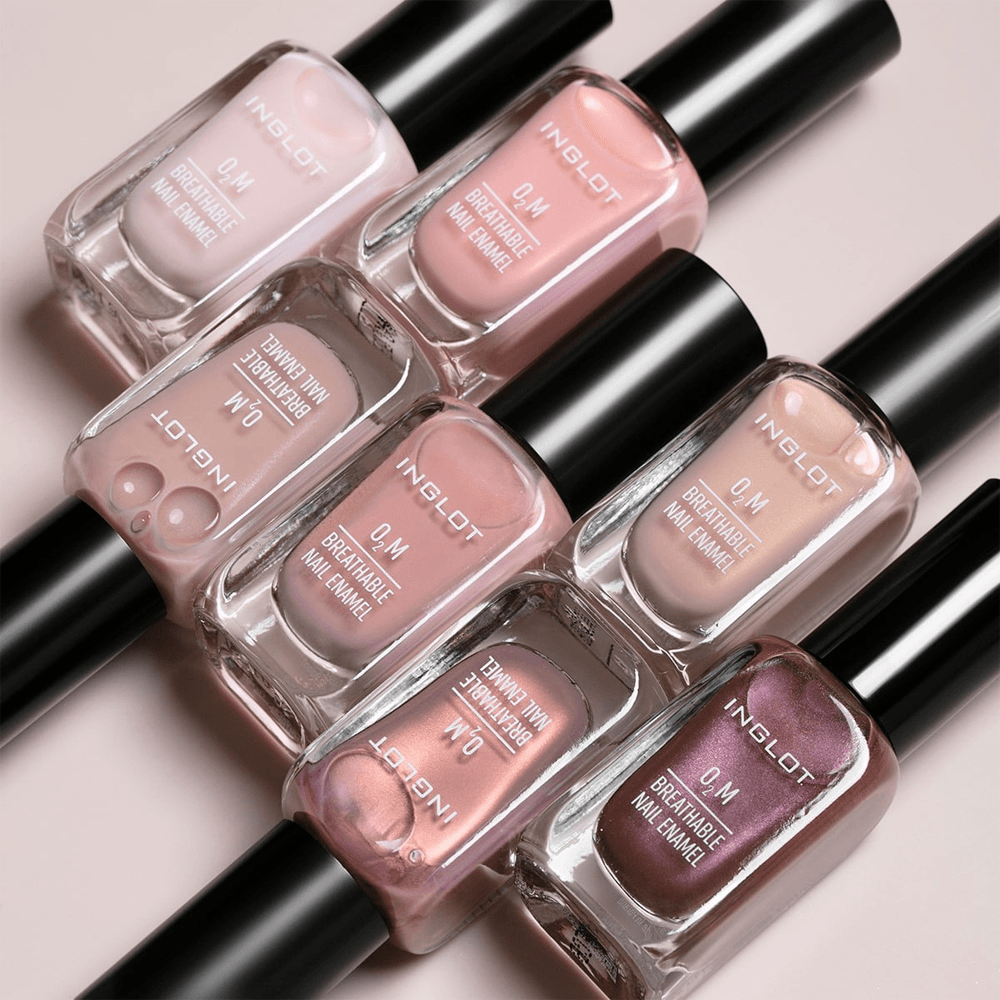
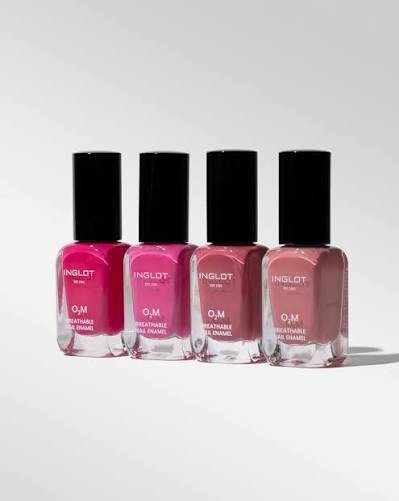
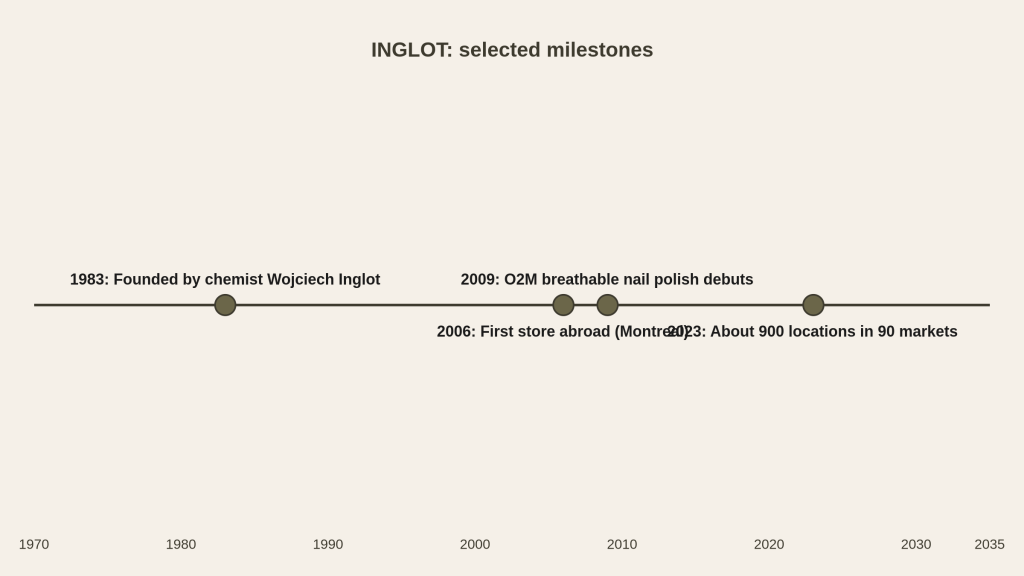
INGLOT is a Polish cosmetics company that most people outside the beauty industry have never heard of. It operates around 900 locations in some 90 markets. Its Freedom System — a modular palette that lets customers build their own combinations — challenged the passive retail experience of every legacy brand in the category. Its O2M breathable nail enamel became, quietly, one of the most culturally significant cosmetic innovations of the last two decades.
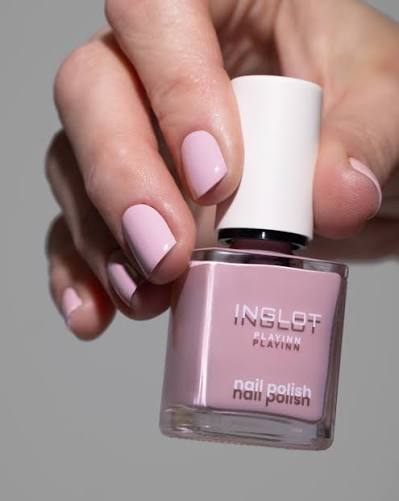
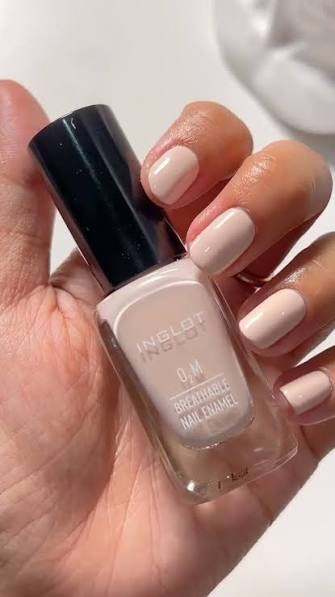
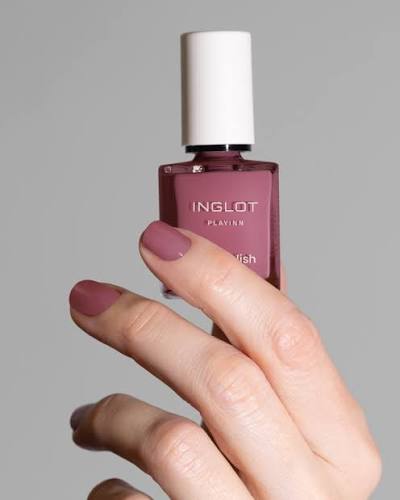
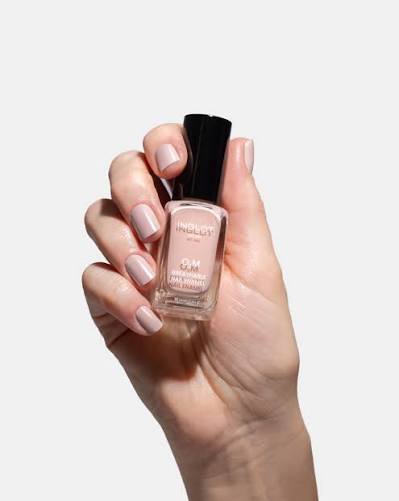
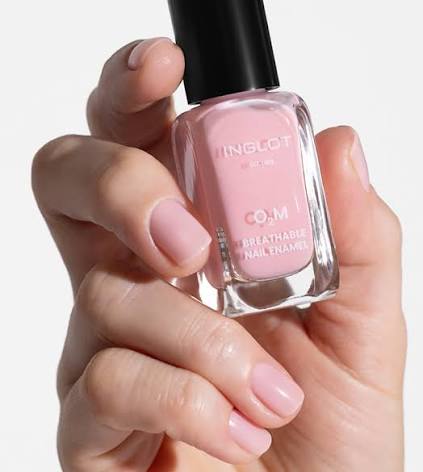
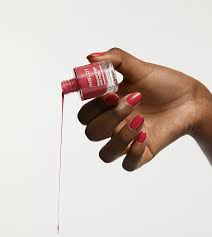
I grew up watching Muslim women celebrate that nail polish as the first they could pray with. INGLOT’s differentiation was never just technical. It was cultural. It tapped into identity, faith, and self-expression — dimensions that global beauty conglomerates, for all their market research, had largely overlooked.
O2M debuted in 2009, developed by founder and chemist Wojciech Inglot using a polymer similar to those in contact lenses. Its following among Muslim women grew after an Islamic scholar published a water-permeability test suggesting it was compatible with wudu, the ritual washing before prayer; the company now markets it as halal certified (NPR, 2013).
INGLOT’s differentiation was never just technical. It was cultural.
Generic Strategy: Differentiation Without Luxury Pricing
INGLOT follows Porter’s differentiation strategy, supported by selective cost discipline. Its mission — to offer the highest possible quality at an affordable price — reflects a deliberate balance between exclusivity and accessibility. Rather than competing on low price, INGLOT competes through meaningful distinctiveness: product innovation, quality control, and emotional resonance.
Vertical integration reinforces this strategy. Centralizing R&D and production in Poland enables INGLOT to respond quickly to colour trends and replenish inventory within days, preserving both quality and agility. The result is a professional-grade product positioned in the mid-tier market — a focused differentiation approach that targets consumers seeking artistry without luxury pricing.
Sources of Competitive Advantage: Innovation, Control, Relationships
INGLOT’s competitive advantage stems from three interlocking sources: innovation, operational control, and relationship-driven expansion.
Innovation is institutionalized. The company’s chemists and designers translate creative insight into tangible products — breathable nail polish, modular palettes — while maintaining proprietary knowledge within its Polish labs. Using high-quality ingredients from Japan and Switzerland adds credibility without eroding margins, as domestic labour costs remain relatively low.
Operational control provides both speed and secrecy. By owning its facilities and machinery, INGLOT avoids dependence on external suppliers and can adapt to shifting fashion cycles more rapidly than competitors.
Its franchise model supports growth with minimal capital intensity. By waiving royalties and entry fees, INGLOT attracts partners motivated by long-term commitment rather than short-term arbitrage. The company’s preference for family-run franchises builds accountability, efficiency, and brand loyalty that is rare in global retail networks.
Finally, INGLOT’s marketing ecosystem amplifies authenticity through collaboration with professional make-up artists rather than mass advertising. These artists act as credible brand advocates and provide feedback that informs future product development — a closed loop between market intelligence and product iteration.
Sustaining the Advantage: Scaling What Others Overlook
INGLOT sustains its advantage through strategic control, financial independence, and continuous learning. Vertically integrated R&D and production form a resource base that is valuable, rare, and difficult to imitate. Self-financing through retained earnings ensures autonomy and long-term focus, while protecting the company from external economic shocks.
Its franchise network functions as an intelligence system, transmitting insights from local markets back to headquarters. This feedback loop enables INGLOT to refine its offerings and maintain relevance across very different cultural contexts.
To sustain momentum beyond 900 locations, INGLOT should diversify production sites and invest in digital integration to enhance coordination across markets. Its culture of innovation, operational agility, and inclusive design philosophy provide a solid foundation. What it needs now is the infrastructure to scale what has always been its actual competitive edge: the ability to see consumers that larger brands overlook.
Key takeaways
- INGLOT competes on differentiation — professional-grade quality at mid-tier prices — rather than on low cost.
- Its advantage rests on in-house innovation, vertically integrated production in Poland, and a relationship-driven franchise network.
- Its real edge is cultural insight: seeing consumers, like Muslim women seeking a prayer-compatible polish, that larger brands overlook.
References
- NPR. (2013, March 1). Inventor dies as breathable nail polish becomes hit with Muslim women. The Two-Way.
- WIPO Magazine. (2023, April 15). Inglot Cosmetics: Revolutionizing make-up and celebrating you and your individuality. World Intellectual Property Organization.
- Wikipedia. Inglot Cosmetics.


Leave a Reply